Hard Rock International Sells Meadowlands Casino Stake to Jeff Gural, Ending Years-Long Partnership
Hard Rock International Sells Meadowlands Casino Stake to Jeff Gural, Ending Years-Long Partnership

Hard Rock International has sold its 50% stake in the proposed Meadowlands casino project to Jeff Gural, the owner of the Meadowlands Racetrack, effectively dissolving their partnership and halting the long-discussed casino development at the New Jersey racetrack.
The Roots of the Meadowlands Casino Ambition
Plans for a casino at the Meadowlands Racetrack in East Rutherford, New Jersey, have simmered for years, with proponents eyeing the site as a prime spot to boost local gaming revenue while leveraging the track's established infrastructure; observers note that discussions gained traction around 2019, when state lawmakers pushed ballot measures to expand casino gambling beyond Atlantic City.
Jeff Gural, through his New Meadowlands Racing Association, has long championed revitalizing the aging racetrack, which once thrived on horse racing but faced declining attendance amid competition from casinos and sports betting; the casino proposal emerged as a potential lifeline, promising thousands of jobs and hundreds of millions in annual tax revenue for the state.
That said, voters rejected a related constitutional amendment in November 2023, which would have authorized casinos at racetracks like Meadowlands and Freehold Raceway; despite the setback, Gural and partners pressed forward with private development talks, securing a 50-50 joint venture with Hard Rock International in subsequent years.
Hard Rock, known for its global portfolio of entertainment-driven casinos, brought branding muscle and operational expertise to the table, envisioning a resort-style complex with slots, table games, and live entertainment adjacent to the racetrack; data from the New Jersey Division of Gaming Enforcement highlights how such expansions could have generated over $100 million in yearly taxes, based on projections from similar projects.
Hard Rock Enters the Picture: A Partnership Forms
Hard Rock International joined forces with Gural in a high-profile partnership announced in early 2024, positioning the Meadowlands project as a key expansion beyond Atlantic City; the duo aimed to capitalize on New Jersey's burgeoning sports betting market, where the racetrack already hosts FanDuel's sportsbook operations.
Experts who've tracked New Jersey gaming point out that the Meadowlands location offered strategic advantages, sitting just minutes from New York City and MetLife Stadium, home to the NFL's Giants and Jets; this proximity could have drawn commuters and event-goers, turning the site into a multifaceted entertainment hub.
Throughout 2024 and into 2025, the partners navigated regulatory hurdles, including environmental reviews and local zoning approvals, while lobbying state officials for legislative support; Gural publicly touted the project's potential to preserve horse racing traditions alongside modern gaming, arguing it would create 3,000 construction jobs and 2,500 permanent positions.
But here's the thing: progress stalled amid political debates over gaming saturation, with Atlantic City operators voicing concerns about market cannibalization; still, Hard Rock invested significantly, conducting feasibility studies and architectural renderings that envisioned a $1 billion-plus development.
The Sale: Hard Rock Exits, Gural Takes Full Control
In a move announced recently, Hard Rock International transferred its entire 50% ownership to Jeff Gural, marking the end of their collaboration and shelving the casino plans indefinitely; according to reports from World Casino Directory, the transaction closes a chapter on one of New Jersey's most anticipated gaming ventures.
Gural now holds 100% control of the site's development rights, though he has indicated no immediate plans to revive the casino; those close to the negotiations describe the sale as amicable, driven by shifting priorities at Hard Rock amid its focus on international projects and digital gaming expansions.
Financial terms of the deal remain undisclosed, but industry analysts familiar with such transactions estimate the stake's value in the tens of millions, reflecting years of planning and preliminary investments; Gural, a longtime fixture in the racing world, steps back into sole decision-making, free to pivot toward other revenue streams like expanded sports wagering.
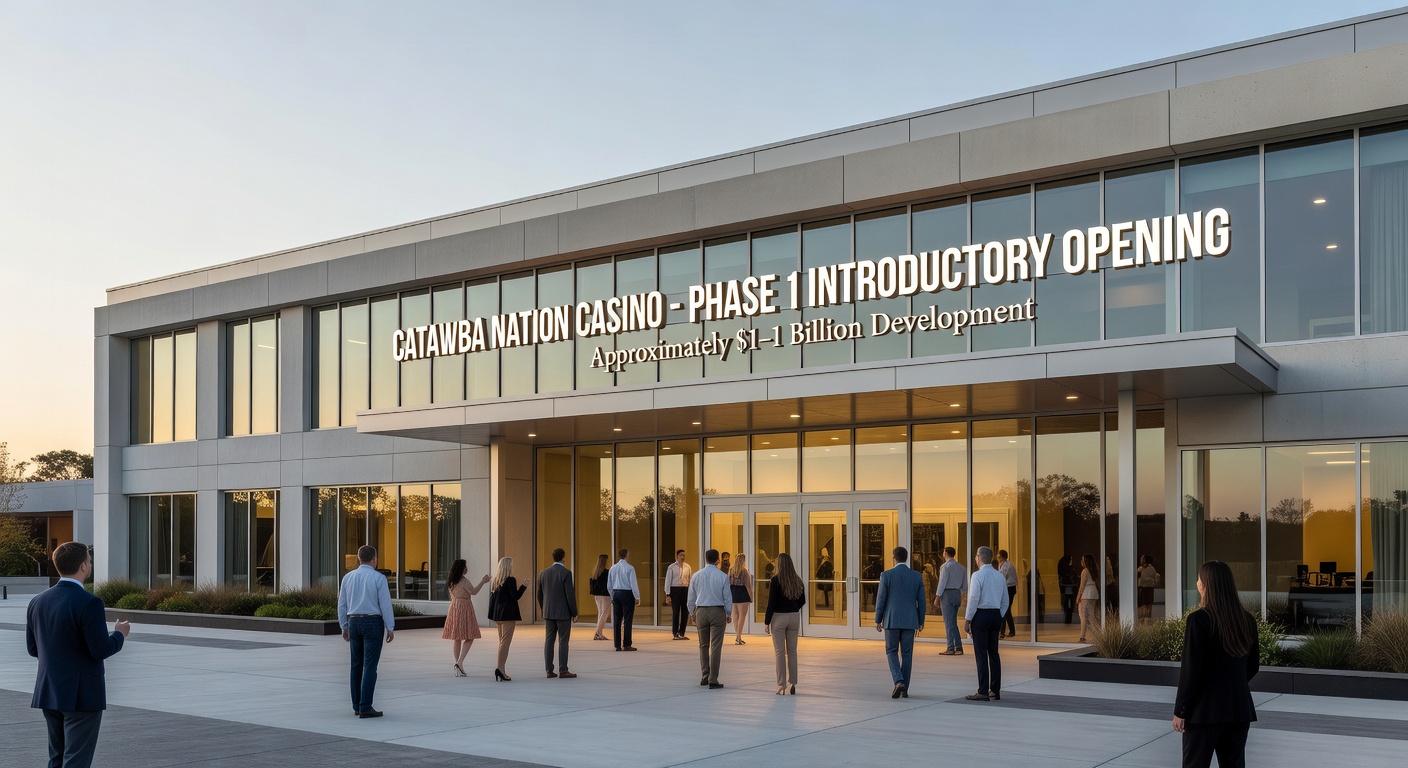
What's interesting here is how quickly the shift unfolded; just months after joint venture announcements, Hard Rock opted out, leaving Gural to chart the racetrack's future solo.
Immediate Fallout for the Meadowlands Project
The partnership's dissolution halts all casino-related activities at the 149-acre site, including site preparation and vendor contracts that had been lined up; employees and stakeholders who've followed the saga express mixed reactions, with some relieved at the clarity and others lamenting lost economic opportunities.
Turned out the project faced headwinds from the get-go, including voter rejection and competition from nine Atlantic City casinos plus online platforms; New Jersey's gaming revenue hit record highs in 2024, surpassing $5.6 billion per American Gaming Association figures, yet the Meadowlands bid struggled to gain traction.
Gural has hinted at alternative uses for the land, such as enhanced event spaces or residential developments, while maintaining the racetrack's harness racing schedule; the move underscores the racetrack's resilience, as it adapts to a post-casino landscape dominated by sports betting and simulcast wagering.
And while the casino dream fades, the site's sportsbook continues to thrive, processing millions in wagers weekly and drawing crowds for major events like the Hambletonian Stakes.
Ripples Through New Jersey's Gaming Ecosystem
Observers note that Hard Rock's withdrawal signals caution among national operators eyeing New Jersey expansions, especially after failed ballot initiatives; Atlantic City properties, which generated $2.8 billion in casino win last year, stand to benefit from reduced competition, though state officials push for diversification.
So, lawmakers now face pressure to revisit gaming legislation, potentially in sessions slated for early 2026; Gural's full ownership opens doors for customized proposals, perhaps integrating horse racing with esports or experiential retail.
People who've studied regional gaming trends point to similar pivots elsewhere, like Pennsylvania's Parx Racetrack, which bolstered operations without full-scale casinos; this case highlights how partnerships can fray under regulatory and economic strains, yet local owners like Gural often endure.
It's noteworthy that Hard Rock shifts focus to proven markets, including recent openings in Ohio and Ontario, where resort-style venues flourish without the political baggage.
Looking Ahead: Meadowlands in a Changing Landscape
With Gural at the helm, the Meadowlands Racetrack enters a new era, emphasizing its core strengths in live racing and betting innovation; enhancements like upgraded grandstands and digital kiosks aim to attract younger demographics, while partnerships with apps like TwinSpires sustain revenue.
Yet, the casino's abandonment doesn't preclude future gaming integrations, should state laws evolve by April 2026; analysts project New Jersey's overall gaming sector to grow 5-7% annually, per industry reports, buoyed by mobile sports betting and internet casinos.
Take one expert who tracked the project from inception: they observed how Gural's tenacity kept the racetrack viable through multiple downturns, positioning it well for whatever comes next.
Now, all eyes turn to Gural's next moves, as the ball lands squarely in his court.
Conclusion
Hard Rock International's sale of its Meadowlands stake to Jeff Gural closes the book on a decade-spanning casino pursuit, redirecting the site's trajectory toward racing-centric revitalization; while the development's end disappoints some, it frees Gural to innovate amid New Jersey's dynamic gaming scene, where adaptability proves key.
The reality is, such shifts reflect broader patterns in U.S. gaming, where bold visions meet practical constraints, yet opportunities persist for those willing to adapt; as April 2026 approaches, the Meadowlands story evolves, underscoring resilience in an ever-shifting industry.