Mobile Design Decisions That Guide Player Behavior in Extended Demo Sessions
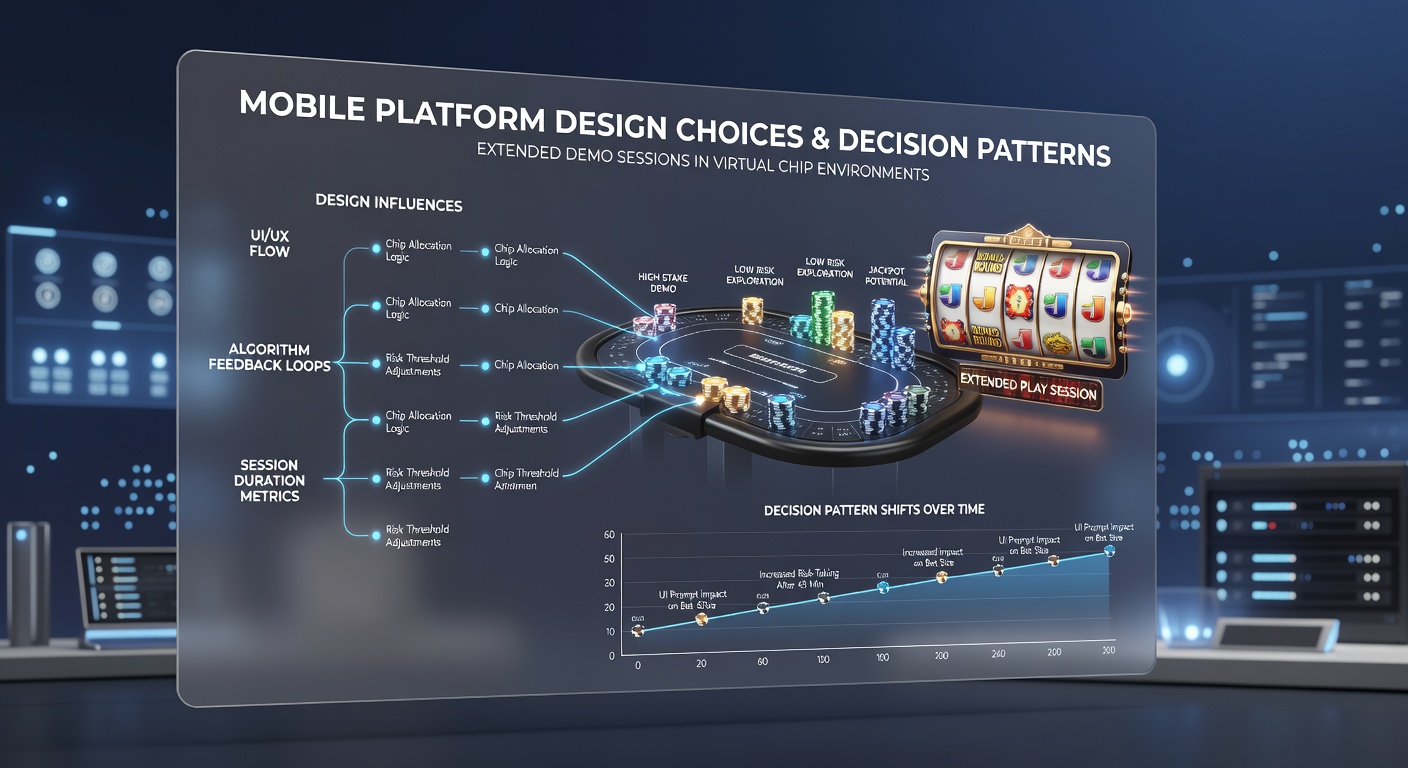
Platform architects shape user actions through layout grids, touch targets, and visual hierarchies that determine how long sessions last and which bets players select during demo table and slot play. Data from mobile analytics platforms shows that thumb-friendly zones covering the lower third of screens increase bet frequency by guiding repeated taps without hand repositioning, while central placements for spin buttons create pauses that shorten overall engagement periods.
Design teams adjust chip denomination displays to cluster smaller values near the action area, which encourages incremental wagers rather than large single bets, according to interaction logs collected across multiple virtual chip environments. Color gradients applied to balance meters further direct attention, with warmer tones accelerating decisions to continue rounds while cooler palettes slow progression during table game simulations.
Interface Layouts and Touch Mechanics
Developers position control clusters to match natural hand grips on devices ranging from compact phones to larger tablets, and this placement directly affects whether users favor quick slot spins or deliberate table decisions. Research conducted by the University of Nevada's gaming technology lab indicates that vertical scrolling feeds for game selection reduce friction between rounds, extending session duration when combined with persistent virtual chip counters that remain visible without menu access.
Button sizes exceeding 48 pixels in height minimize mis-taps that interrupt flow, yet oversized elements can crowd information panels that display remaining demo credits and lead players toward conservative choices once balances drop below certain thresholds. Animation speeds for chip movements and reel stops also matter because shorter durations maintain momentum, whereas longer sequences allow reflection that often results in smaller follow-up bets.
Feedback Systems and Progression Cues
Real-time notifications about virtual chip earnings arrive through subtle banner animations positioned above the main game view, and these prompts correlate with increased session lengths when they appear at fixed intervals rather than random triggers. Observers note that achievement badges earned after set numbers of spins or hands create micro-goals that sustain activity, particularly when the badges unlock new demo table variants without requiring additional credit purchases.

Progress bars tracking consecutive wins or losses occupy a narrow strip along the screen edge, and their presence influences risk tolerance because visible streaks prompt adjustments in bet sizing during extended play. Platform updates scheduled for May 2026 will introduce adaptive layouts that resize based on detected grip patterns, potentially shifting decision patterns further by anticipating when users switch between one-handed and two-handed interaction modes.
Information Architecture and Decision Flow
Menu structures that hide advanced settings behind single taps keep primary screens focused on core actions, which studies from the Canadian Centre on Substance Use and Addiction link to longer uninterrupted demo periods. When paytable details remain accessible yet secondary to the main reel or card display, players spend less time reviewing odds and more time cycling through rounds with virtual chips.
Default bet amounts pre-selected at the start of each session guide initial patterns, and developers test variations where these presets rise gradually across multiple rounds to observe shifts toward higher or lower stakes. Background audio cues tied to chip wins or losses reinforce certain sequences, creating auditory loops that maintain engagement without demanding visual focus on every outcome.
Cross-Device Consistency and Session Continuity
Design choices that preserve chip balances and game states across device rotations or brief pauses prevent breaks that typically end sessions early, as shown in retention metrics shared by industry analytics firms. Consistent iconography for table rules and slot features reduces learning time when users move between portrait and landscape orientations, supporting extended exploration of multiple demo environments in one sitting.
Cloud-synced profiles allow seamless return to prior states, which encourages resumption of interrupted table sessions where strategic decisions accumulate over many hands. These continuity features work alongside battery and data usage indicators that appear only when thresholds near critical levels, avoiding constant reminders that could truncate play periods.
Conclusion
Mobile platform elements collectively steer how participants allocate virtual chips and select games during prolonged demo experiences, with each design decision contributing measurable effects on session length and wager patterns. Ongoing refinements scheduled through 2026 will likely build on current data to refine these interactions further across global user bases.