Navigating Virtual Economies: The Mechanics Behind Sustained Play in Smartphone-Based Casino Simulations
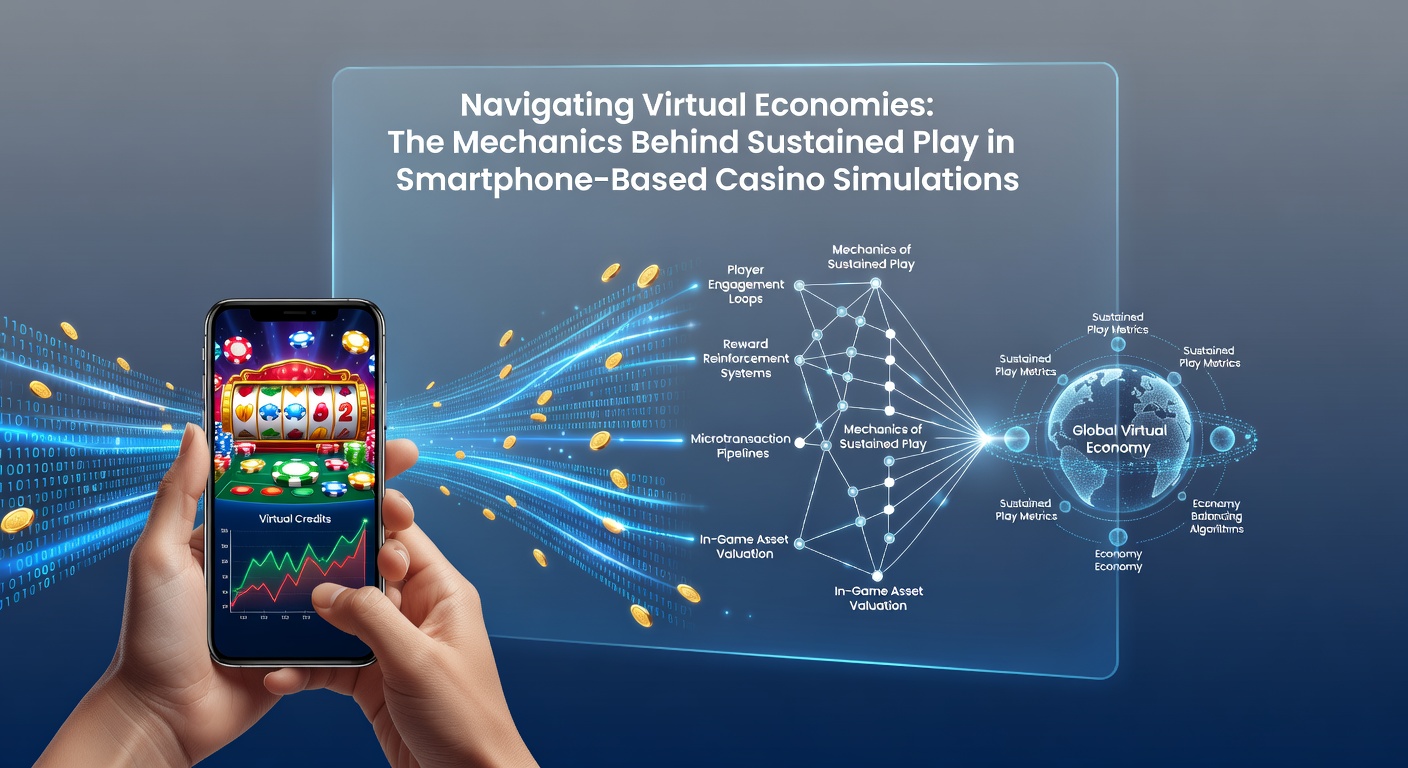
Smartphone-based casino simulations operate through intricate virtual economies that blend game design principles with behavioral psychology, and developers structure these systems to maintain player engagement over extended periods without involving real-money transactions. Research indicates that these economies rely on layered currency models where players accumulate free virtual chips through daily logins, achievement milestones, and social interactions, while premium currencies purchased with actual funds accelerate progress yet remain optional for core gameplay loops.
Core Currency Structures and Resource Allocation
Virtual economies in these applications typically distinguish between standard chips earned at no cost and specialized tokens that unlock accelerated features, and this separation allows developers to calibrate scarcity so that free players experience steady advancement while paid upgrades provide convenience rather than competitive edges. Data from industry analyses shows that successful titles maintain a conversion rate where roughly one percent of users transition to purchases, yet the broader player base sustains activity through consistent reward distribution cycles that prevent resource depletion and encourage repeated sessions.
Observers note that algorithms adjust drop rates for bonus chips based on individual play patterns, which helps stabilize the overall economy by countering inflation when too many free resources flood the system. For instance, one popular simulation platform recalibrates bonus frequencies monthly according to aggregate user data, ensuring that chip balances hover within sustainable ranges that support continued table and slot participation without abrupt shortages.
Progression Systems and Retention Mechanisms
Leveling frameworks tie directly into economy mechanics by granting access to higher-stakes tables or exclusive events once players reach thresholds through accumulated playtime and strategic betting, and these systems create natural progression arcs that keep users returning. Studies from mobile gaming research groups reveal that incorporating limited-time events, such as weekend tournaments with boosted payouts, increases session length by an average of twenty-five percent across tested applications.

What's interesting is how social features integrate with economic loops, as players trade gifts or form clubs that pool resources for collective bonuses, and this communal layer extends individual engagement by leveraging peer influence without altering core payout probabilities. Figures from the Interactive Games and Entertainment Association indicate that titles emphasizing group challenges retain users for thirty percent longer than solo-focused counterparts, particularly when rewards scale with participation frequency.
Balancing Free Play and Monetization Dynamics
Developers employ soft and hard currency distinctions to navigate regulatory boundaries around simulated gambling, since free chips cannot convert to real value yet still mimic risk-reward tension found in traditional casino settings. As of May 2026, several platforms have introduced adaptive difficulty scaling that responds to user spending habits, which maintains fairness perceptions while encouraging organic growth in virtual asset accumulation.
Those who've examined these models point to case examples where daily mission structures reward consistent logins with escalating chip bonuses, and such patterns mirror findings from broader app economy reports that link predictable reward schedules to higher retention metrics. External data accessed via the American Gaming Association highlights how simulation apps avoid direct gambling classification by capping maximum virtual winnings and enforcing cooldown periods on high-value rewards, which preserves long-term economic equilibrium.
Technological Underpinnings and Future Adjustments
Backend servers track every transaction in real time to detect anomalies like rapid resource hoarding, and machine learning tools refine economy parameters based on millions of anonymized sessions each week. This continuous monitoring allows adjustments that respond to emerging player behaviors, such as shifts toward mobile-specific features like offline reward claiming introduced in recent updates.
Yet the reality is that sustained play hinges on transparent odds displays within simulations, which build trust and reduce churn when users understand exactly how virtual probabilities operate independent of any financial stake. Links to detailed methodology appear in reports from organizations like the Canadian Gaming Association, which track these trends across North American markets.
Conclusion
Virtual economies in smartphone casino simulations function through deliberate design choices that prioritize accessibility, measured scarcity, and social connectivity, and these elements combine to support prolonged engagement across diverse user demographics. Evidence suggests ongoing refinements will continue as technology evolves, with developers focusing on data-driven tweaks that preserve balance while expanding feature sets through 2026 and beyond.